

Posted On: July 18, 2026 by Home State Bank in: Personal Banking
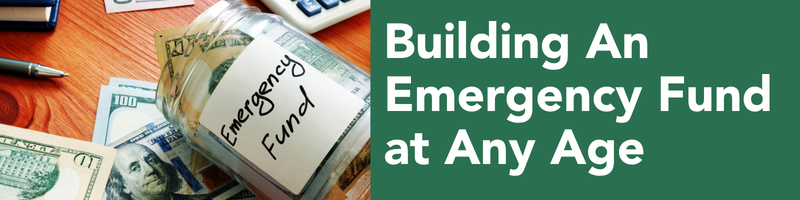
While many people understand the importance of having an emergency fund, nearly three in four Americans (73 percent) are saving less for emergency expenses due to inflation, rising prices, elevated interest rates, or a change in income or employment. 1
In the past year, 37% of U.S. adults needed to use their emergency savings at some point in the last 12 months. Eighty percent of those people used the money for essentials, and 48% of these individuals earned between $500 and $2,499. 1
An emergency fund should ideally be used for just that – emergencies, not essentials. From unexpected medical expenses to car repairs and job or income loss, an emergency fund should be a must in your financial portfolio.
Apart from having funds on hand quickly, emergency funds also allow you to avoid credit card debt or withdrawing funds from other important accounts, such as retirement or personal savings, for goals you have set.
How much should you have in your emergency fund? The standard rule of thumb is enough to cover three to six months’ worth of expenses. If you have dependents you cover, you’ll want to save more to account for them as well.
Building an emergency fund doesn’t have to be hard. You can set up a basic savings account or a money market account. Because this is an emergency fund, you want to be able to access your money quickly, but maybe not instantly, so within a day. Avoid stocks and bonds for these reasons, and due to market risk.
Many financial institutions offer high-yield savings accounts, which can help you grow your emergency fund faster.
An emergency fund is important to establish, but shouldn’t be a burden on your everyday expenses. Once you figure out what your emergency fund savings goal is, determine a feasible amount you can set aside each month to reach this goal. If you have a tax return, consider using those funds to bump it up a bit, too!
As you establish and grow your emergency fund, it’s also important to identify what counts as an “emergency” to pull money from. Failing to identify these can lead to a slippery slope, with individuals using them for everyday needs rather than true emergencies. If you’re contributing with someone else, discuss and agree on what constitutes drawing funds from your emergency account.
Whether you already have an established emergency fund or are just getting started, your Home State Bank Universal Bankers can help you reach your goal effectively and efficiently.
Home State Bank is a Member FDIC and Equal Housing Lender.
.png)
1 https://www.bankrate.com/banking/savings/emergency-savings-report/

0 comments